Welcome to the Gang Lab at Washington State University
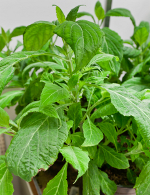
Hemp research is a big focus of our lab!
Check out our WSU HEMP Lab page for details!
DOE RACIPAC Project Status
Our DOE RACIPAC funded project, “Yardsticking the impact of biochar formulations on soil carbon durability and agronomic performance in hemp-based crop rotation systems“, continues to make progress. We are excited about this project that brings together over a dozen researchers from WSU, University of Connecticut (UConn) and several industry partners (American Biochar Institute, Oregon Biochar Solutions, Renovo Sustainable Products and Yard Stick PBC). The six-year project is transitioning into its third budget period, where we have grown two of five crops in our long-term crop rotation based project. First, in 2025, we grew hemp at three grower partner farms, with various biochar-based soil amendments added as experimental treatments. In 2026, we have followed up growing the main staple crop at each farm, such as wheat and corn (maize), and we have collected crop samples from each experimental plot each year. The project is evaluating the impact of integrating various biochar-based soil amendments and formulations along with hemp into major crop rotation systems in the Pacific Northwest, with the major focus being maintaining or increasing crop yield and quality while increasing durable carbon in the soil and decreasing greenhouse gas emissions of the cropping system. Early results are very promising, where results indicate significant (and large) impacts of various treatment:crop combinations. If you are interested in learning more, please contact Dr. Gang.
Join as at this year’s National Cannabis Research Conference
Ameneh Tarakemeh (PhD student in the Gang lab) is leading a session at this year’s National Cannabis Research Conference on hemp seed composition analysis and function. We are excited for this great opportunity for her to lead an important session at this national conference.
Dr. Gang to Speak at the World Hemp Forum 2026
Dr. Gang will again attend the World Hemp Forum in Troyes, France in November 2026 and speak at the Researchers’ Forum, where he will present results on our research in hemp seed biology and hemp production. He will also meet with industry representatives and other researchers in an effort to assess how hemp industries have developed across the globe, part of an ongoing effort with our partners at Oregon State University, UC Davis and University of Nevada, Reno, supported by a USDA NIFA SAS Grant and working closely with our Tribal partners that focuses on hemp industry development on tribal lands.
Why “Cellular Metabolism and Engineering”?
The basic building block of life is the cell. Cellular functions are governed by regulatory pathways and networks that work at the gene, protein, metabolite and ultrastructural levels. Such networks are often integrated across all of those scales. Our laboratory focuses on understanding those regulatory processes that involve metabolism in one way or another. Although metabolism is integrated between tissues and organs in an organism, metabolic pathways themselves typically exist and function within individual cells. Thus, in order to understand how metabolism truly functions in an organism, we must understand how it functions in individual cells, and in varying cell types within an organism and at the tissue level.
Engineering metabolism, either through modern transgenic or gene editing approaches typically included in Synthetic Biology-based efforts, or through traditional breeding and mutagenesis, is a goal that has received much attention in the last two decades due to problems with fuel and food shortages that will be faced as world population continues to grow. For those efforts to be successful, we must understand not only how metabolism is structured but also how it is regulated and controlled. Again, that occurs at the cellular level. Thus, a major goal of my lab is to understand how metabolism is structured and regulated in individual cell types and how metabolism is connected between different cell types, either within an organism or between co-existing organisms.
Our lab has long worked in the area of plant biochemistry/metabolism, with a major focus on plant specialized metabolism, as plants are ideal systems to work with to understand single-cell processes. But we often work on other organisms as well, such as studying cancer development and inflammation processes in mammalian systems, investigating the interaction between major insect pests and the microbes that infect them or that they vector to other eukaryotes, determining how marine microbes produce novel bioactive compounds, and gaining an understanding of how single-celled algae regulate metabolism such that we can use that information to design changes in bioenergy and bioproduct development efforts.
We are also interested in how metabolism is integrated within the whole physiology of the body and how it is regulated and controlled within organs, such as the rhizomes and glandular trichomes in plants; the haemolymph, guts and salivary glands of insects such as psyllids; and developing cancer tumors and surrounding tissues in animals.
All of those efforts have two things in common: 1) they focus on metabolic processes and their regulation and 2) we use cutting edge technologies in our efforts and those project areas are excellent realms to apply such approaches.
Metabolomics, proteomics and transcriptomics, as well as comparative genomics, are commonly used tools in my laboratory to help us uncover regulatory processes at the cellular and tissue scales in the various organisms that we work with.